
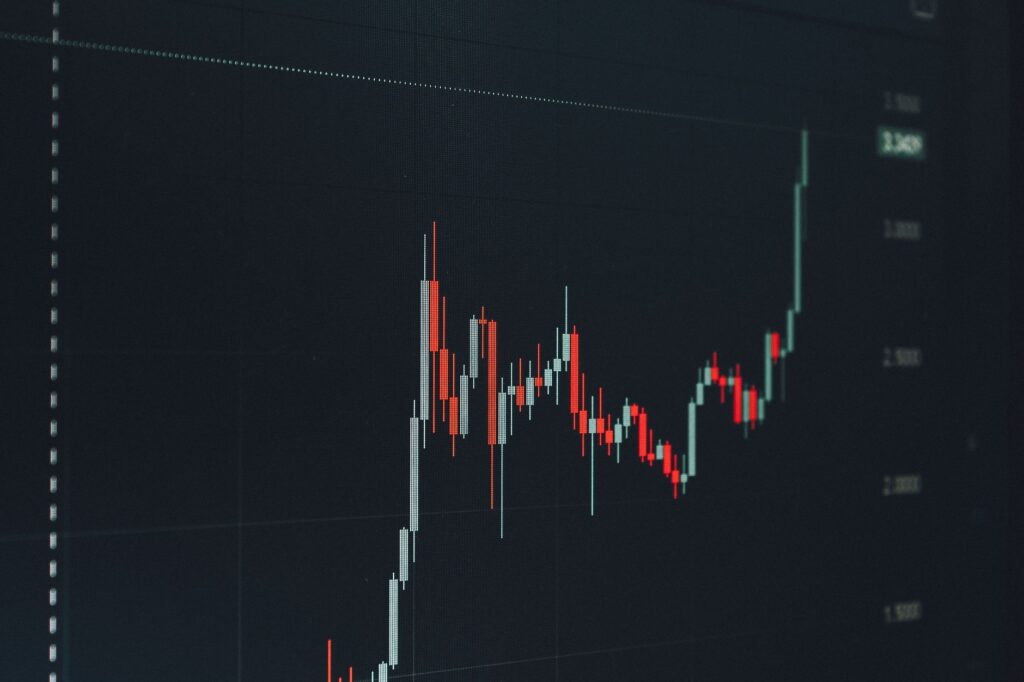
Prediction markets trading is at stake as the industry races to curb insider trading. This crucial issue affects participants and the integrity of the markets.
Understanding Prediction Markets
Prediction markets are platforms that allow individuals to place bets on the outcomes of future events, ranging from political elections to sporting events. These markets harness the collective knowledge of participants to forecast probabilities, making them a valuable tool for decision-making.
At their core, prediction markets trading operates on the principle that aggregated information, when appropriately harnessed, can yield accurate insights. Participants buy and sell shares in potential outcomes, with prices reflecting the probability of those outcomes occurring. For instance, if a particular candidate is seen as likely to win an election, their shares will increase in value.
However, the integrity of these markets can be compromised by insider trading and manipulation. To mitigate these risks, several platforms have implemented strict regulations and monitoring systems. Understanding the dynamics of prediction markets is essential for traders looking to navigate this complex environment effectively.
By engaging responsibly, participants can minimize risks and contribute to a more accurate reflection of future events.
The Impact of Insider Trading
The impact of insider trading on prediction markets trading is a pressing concern that can undermine the integrity of these platforms. When individuals with privileged information participate in these markets, they can skew results and diminish the trust of other traders. This practice not only jeopardizes the fairness of the market but also raises ethical questions regarding the validity of the predictions being made.
To combat insider trading, many prediction markets have implemented stricter regulations and monitoring processes. These measures are essential for maintaining a level playing field and ensuring that all participants have an equal opportunity to profit from their trades.
- Transparency: Increasing transparency in trades can help deter insider trading.
- Enhanced Regulations: Stricter rules around who can participate may be necessary.
- Community Reporting: Encouraging users to report suspicious activities can aid in identifying insider trading.
Ultimately, addressing insider trading is crucial for the survival and growth of prediction markets trading, as it fosters a healthier trading environment for all involved.
Best Practices for Safe Trading
Engaging in prediction markets trading can be rewarding, but it is crucial to adopt best practices to minimize risks. Here are some essential tips for safe trading:
- Do Your Research: Before placing bets, familiarize yourself with the market landscape, including the key players and events.
- Start Small: Begin with a modest investment to understand the dynamics of prediction markets without risking significant capital.
- Diversify Your Bets: Spread your investments across multiple markets to reduce the impact of a single loss.
- Stay Informed: Regularly update your knowledge about the events you are betting on, as new information can significantly affect outcomes.
- Be Wary of Insider Information: Engaging in trades based on insider knowledge can not only compromise the integrity of the market but also lead to severe consequences.
By following these best practices, traders can navigate the complexities of prediction markets trading more safely and effectively.
Regulatory Responses to Fraud
As prediction markets trading gains popularity, regulatory bodies are increasingly concerned about the risks of fraud and insider trading. In response, various jurisdictions are implementing measures to enhance transparency and protect participants.
Key regulatory responses include:
- Increased Oversight: Agencies are stepping up enforcement against fraudulent activities, ensuring that operators comply with existing financial regulations.
- Clear Guidelines: Regulators are establishing clear rules regarding the operation of prediction markets, providing participants with a framework to understand their rights and responsibilities.
- Consumer Education: Initiatives aimed at educating traders about the risks involved in prediction markets trading are being launched to empower them to make informed decisions.
- Collaboration with Platforms: Regulators are working closely with prediction market platforms to develop best practices that can mitigate fraudulent behavior and promote fair competition.
These regulatory efforts aim to create a safer trading environment, fostering confidence among participants and ultimately supporting the growth of prediction markets as a legitimate trading alternative.
How to Participate in Prediction Markets
Participating in prediction markets trading can be an engaging way to forecast outcomes and make informed decisions. To get started, individuals should follow a few essential steps:
- Choose a Reputable Platform: Select a well-established prediction market that has a clear track record of transparency and fairness.
- Understand the Market Dynamics: Familiarize yourself with how prediction markets operate, including the factors that influence prices and outcomes.
- Diversify Your Bets: Just like traditional investing, spreading your investments across various predictions can mitigate risks.
- Stay Informed: Keep up with news and developments related to the events you are betting on; informed traders are often more successful.
- Adhere to Regulations: Make sure to follow all legal guidelines and regulations relevant to prediction markets trading, as this can help avoid potential pitfalls.
By following these guidelines, traders can navigate the complexities of prediction markets more effectively and enhance their chances of success.
Future of Trading Markets
The future of prediction markets trading is poised for significant evolution as the demand for transparency and fairness continues to rise. As more traders enter these markets, the need for effective mechanisms to mitigate risks and prevent fraud becomes crucial.
Experts suggest that the integration of advanced technology, such as blockchain, could enhance security and traceability in trading activities. By implementing decentralized systems, participants may feel more confident in the integrity of the markets, reducing the likelihood of insider trading.
Additionally, the development of user-friendly interfaces and educational resources could attract a broader audience, including those unfamiliar with prediction markets. This expansion could lead to greater liquidity and more accurate market predictions, benefiting all participants.
A growing emphasis on regulatory frameworks will also shape the landscape of prediction markets trading. As authorities take a more active role in overseeing these platforms, traders can expect clearer guidelines that promote ethical practices and protect investors.
Ultimately, the future of trading markets hinges on balancing innovation with robust safeguards to foster a trustworthy environment.
Photo by Arturo A on Pexels
Sources
Related stories


[…] Prediction markets trading: The Right Way to Avoid Risks […]