
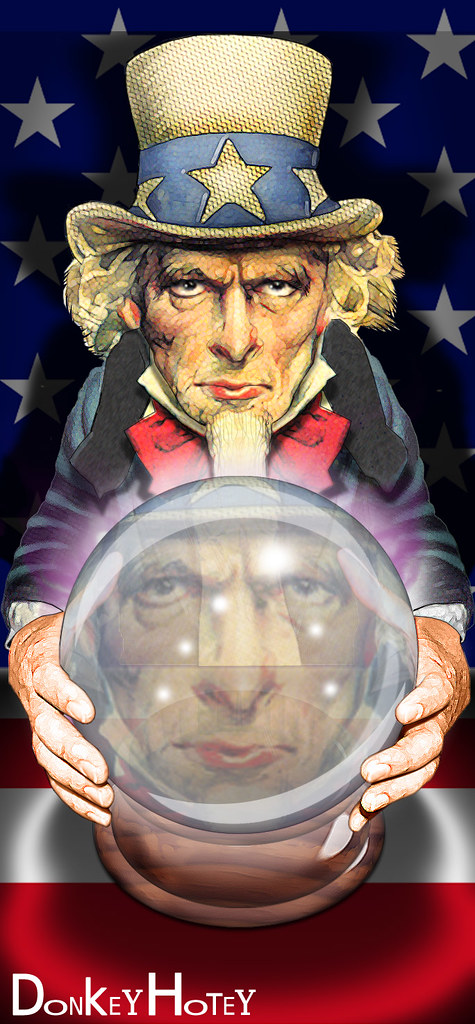
Prediction markets regulations are becoming a hot topic as Kalshi actively lobbies states to fend off restrictive laws. This move could significantly impact the future of prediction markets in the U.S.
Understanding Prediction Markets
Prediction markets are platforms where individuals can buy and sell contracts based on the outcome of future events. These markets operate on the principle that collective predictions can often be more accurate than individual forecasts. Participants wager on various topics, such as political elections or sports outcomes, allowing them to express their beliefs about what will happen.
However, the rise of prediction markets has attracted the attention of regulators, prompting discussions about prediction markets regulations. Proponents argue that these markets enhance transparency and provide valuable insights, while opponents express concerns about potential misuse or exploitation. As companies like Kalshi seek to navigate this complex landscape, they are actively lobbying against strict regulations that could stifle innovation and limit consumer choice.
Ultimately, the balance between regulation and market freedom remains a critical issue in the ongoing debate surrounding prediction markets.
Kalshi’s Lobbying Strategy
Kalshi, a prominent player in the prediction markets space, is actively engaging in a lobbying strategy aimed at shaping the regulatory landscape surrounding prediction markets regulations. The company believes that a favorable regulatory environment is crucial for the growth and sustainability of this innovative sector.
To achieve its objectives, Kalshi has been reaching out to state lawmakers, emphasizing the economic potential of prediction markets and the benefits they can provide to consumers. Their approach includes:
- Educational Campaigns: Informing legislators about how prediction markets operate and their potential impact on market dynamics.
- Building Alliances: Partnering with industry stakeholders to present a united front against restrictive regulations.
- Public Engagement: Encouraging public discourse on the advantages of prediction markets as a tool for information aggregation.
Through these efforts, Kalshi aims to ensure a balanced regulatory approach that fosters innovation while addressing concerns from regulators.
Impacts of Regulation on Gamblers
The potential regulation of prediction markets has significant implications for gamblers. Many participants view these markets as a novel way to engage with real-world events, offering a unique blend of entertainment and investment opportunity. However, prediction markets regulations could alter the landscape dramatically, creating barriers that may deter new players.
As regulations tighten, the accessibility of these markets might diminish, leading to a more limited experience for users. Some gamblers worry that restrictive laws could push them towards unregulated platforms, increasing their risks without the protections that legitimate markets provide.
Moreover, the uncertainty surrounding future regulations can lead to a chilling effect, where potential investors hesitate to participate out of fear of potential legal consequences. Ultimately, the outcome of Kalshi’s lobbying efforts could shape the future of gambling within this innovative sector.
State Responses to Kalshi’s Efforts
As Kalshi continues to push against potential regulations, several states have begun to respond to its lobbying efforts. The company is advocating for a framework that would allow prediction markets to thrive without excessive governmental oversight.
State responses have varied, with some expressing support for Kalshi’s stance, while others are more cautious, emphasizing the need for stringent regulations to protect consumers. Key points emerging from these discussions include:
- Consumer Protection: States are weighing the risks involved in allowing prediction markets to operate freely.
- Economic Benefits: Proponents argue that deregulating prediction markets could lead to job creation and increased tax revenue.
- Market Integrity: Concerns remain regarding the potential for manipulation and its impact on market trust.
The ongoing debate over prediction markets regulations will likely shape the future landscape of this innovative industry.
The Future of Prediction Markets
The landscape of prediction markets is rapidly evolving, and the future hinges on how regulations will shape this burgeoning industry. As companies like Kalshi push for clarity and fairness in prediction markets regulations, they aim to create a more stable environment for traders and investors alike.
Kalshi’s efforts underscore a critical point: the need for legislation that fosters innovation while protecting participants. Many believe that streamlined regulations could enhance transparency and trust in these markets, allowing them to flourish without unnecessary constraints.
With states increasingly scrutinizing prediction markets, the challenge lies in balancing oversight with the freedom to operate.
- Ensuring fair practices
- Encouraging responsible speculation
- Fostering an environment for growth
The ongoing dialogue among stakeholders will be essential in determining the trajectory of prediction markets in the coming years.
As the debate surrounding prediction markets regulations heats up, stakeholders are increasingly vocal about their concerns and aspirations. Kalshi’s approach to navigating these prediction markets regulations could set a significant precedent for the future of the industry.
By DonkeyHotey via Openverse
Where this came from
Related reading
